
If you ever notice the smell of gasoline inside or around your car, it’s not something you should ignore. While some reasons are simple and harmless, others could be signs of serious trouble.
Smelling gas could mean something small needs fixing — or it could warn you about a dangerous leak that puts you and others at risk.
In this guide, we’ll break down all the possible reasons you might smell gas in your car, explain how dangerous each one is, and tell you exactly what steps you should take.
Common Reasons You Might Smell Gas in Your Car
There are several reasons for a gas smell, and some are more serious than others. Let’s go over each one carefully.
1. Loose or Faulty Gas Cap
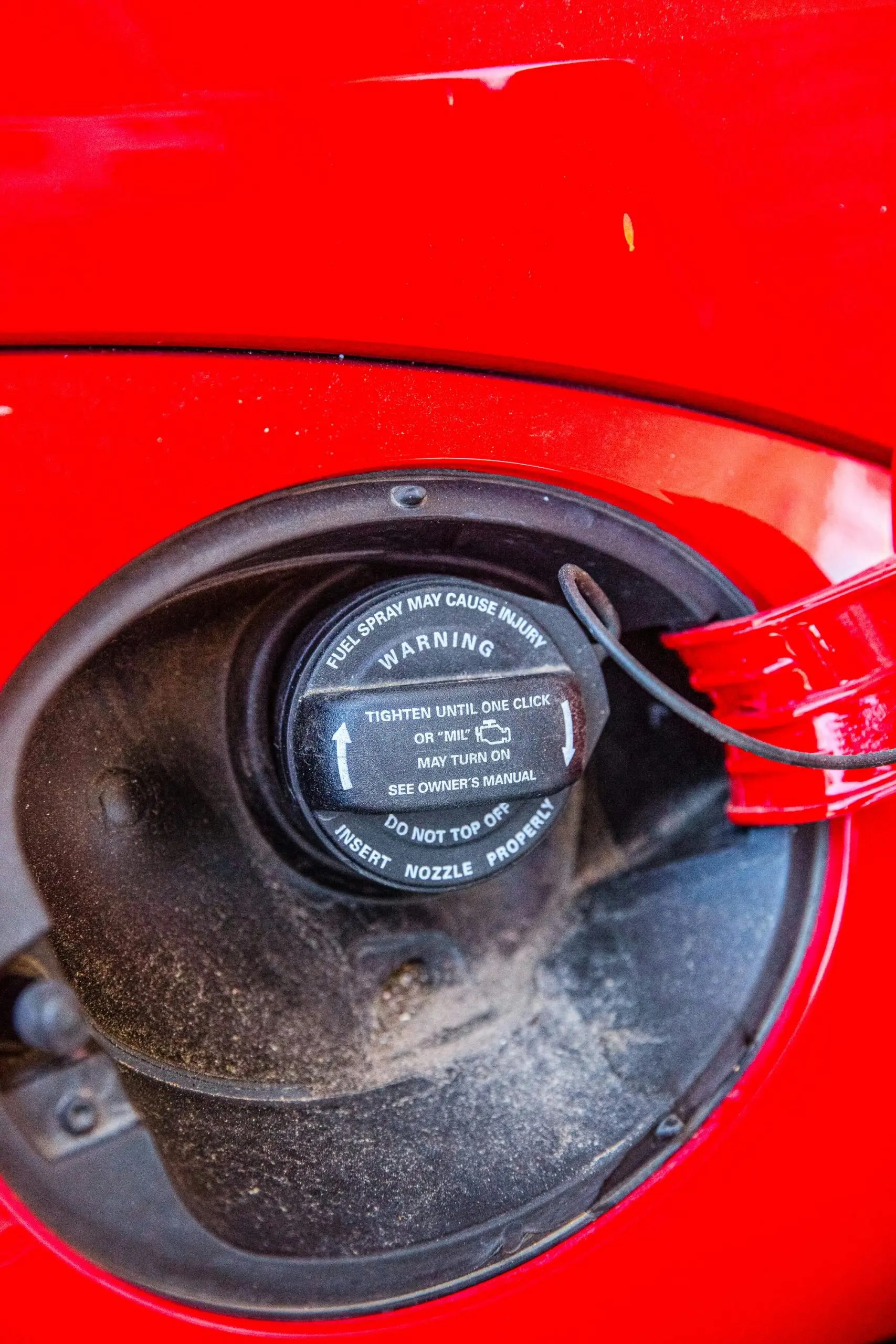
Believe it or not, one of the most common causes of a gas smell is just a loose gas cap. After you fill up your car, if you don’t tighten the cap properly, gas vapors can leak out.
Also, gas caps can wear out over time. The rubber seal can crack, or the locking mechanism can break. This lets vapors escape every time the car is parked or moving.
What to Look For:
- Check if your gas cap is loose.
- Inspect the cap for cracks, worn-out rubber, or obvious damage.
Why It Matters:
While a loose cap won’t make your car explode, it can lead to a constant gas smell. It can also cause your car’s “Check Engine” light to come on because your fuel system can’t hold pressure properly.
Tip:
If you replace your gas cap, make sure to get one that fits your specific car model.
2. Recent Refueling
Sometimes, the answer is simple — you just got gas!
When you refuel, it’s easy for small spills to happen, even if you’re careful. A few drops on your hands, clothes, or near the fuel nozzle can create a strong smell inside the car.
Sometimes the fumes get trapped inside your car if you leave the windows closed right after filling up.
What to Look For:
- Did you just visit a gas station?
- Do your hands or clothes smell like fuel?
- Check around the filler neck for any visible spills.
Why It Matters:
If the smell fades away after a short time, there’s probably no big problem. But if the smell hangs around for hours or days, it could mean there’s another issue that needs attention.
Tip:
Keep your hands clean after refueling, and wipe off any gas spills with a paper towel.
3. Fuel Leaks
Fuel leaks are much more serious. Leaking gasoline is a major fire hazard, and you need to deal with it immediately.
Fuel can leak from many parts of your car:
- Fuel lines: These are tubes that carry gasoline from the tank to the engine. They can crack, rust, or come loose.
- Fuel tank: A hole or crack in the tank can cause gas to drip out slowly.
- Fuel injectors: These spray fuel into the engine. If they get damaged or the seals wear out, gas can leak onto the engine itself.
What to Look For:
- Smell of gas even when the car is off.
- Gas puddles under the car, especially near the back (where the tank is).
- Stronger gas smell while driving or idling.
Why It Matters:
A small leak can quickly turn into a big problem. Gasoline is highly flammable. Even a tiny spark from the engine, brakes, or static electricity can cause a fire.
Tip:
If you suspect a leak, do not drive the car. Call for a tow and have it inspected right away.
4. Problems with the Evaporative Emissions Control System (EVAP)
Modern cars have an EVAP system that captures gas vapors and prevents them from escaping into the air. It stores the vapors in a charcoal canister and sends them back into the engine later.
If anything in the EVAP system breaks — like a cracked hose, a loose valve, or a damaged canister — vapors can leak out.
What to Look For:
- Gas smell even when there’s no leak under the car.
- Check Engine light comes on shortly after the smell starts.
- No obvious spills or leaks anywhere else.
Why It Matters:
While a broken EVAP system won’t usually start a fire, it’s bad for the environment and will cause your car to fail emissions tests. Plus, it wastes fuel and might lead to bigger problems if ignored.
Tip:
An EVAP issue usually needs a mechanic’s special equipment to diagnose, so don’t try guessing — have it checked properly.
5. Faulty Spark Plugs or Seals
Spark plugs ignite the fuel inside your engine. If one is loose or if the seal (called the “spark plug well seal”) is worn out, unburned fuel vapors can escape into the engine bay.
What to Look For:
- Gas smell when the car is running, but not when it’s turned off.
- Rough idling or hesitation while driving.
- Poor fuel economy.
Why It Matters:
Leaking fuel vapors near hot engine parts can cause engine misfires — or worse, engine fires if things get too hot.
Tip:
Regular maintenance helps prevent these issues. Spark plugs usually need replacement every 30,000 to 100,000 miles, depending on your car.
6. Exhaust Fumes Leaking into Cabin
Sometimes what smells like gas might actually be exhaust fumes leaking inside. Exhaust systems should carry fumes safely out the back of the car.
But if the pipes, muffler, or catalytic converter crack, fumes can seep into the cabin instead.
What to Look For:
- Smell is stronger with the windows up.
- Loud engine noises or rattling under the car.
- Feeling dizzy or sleepy while driving.
Why It Matters:
Very dangerous. Exhaust gases contain carbon monoxide, which is invisible and odorless. Even a little bit can make you sick. A lot can be deadly.
Tip:
If you even suspect an exhaust leak, roll down your windows, stop driving, and get it towed to a shop.
How Dangerous Is Smelling Gas in a Car?
Let’s be very clear:
- If the smell is mild and temporary, like right after getting gas, it’s probably not urgent.
- If the smell is strong, constant, or happens when you’re driving, it’s very dangerous.
Gasoline vapors can catch fire easily. Plus, breathing in gas fumes or exhaust gases can make you very sick, very quickly.
The bottom line is — if in doubt, get it checked out.
What to Do If You Smell Gas in Your Car
Here’s a simple step-by-step plan:
- Stay calm. Don’t panic, but don’t ignore it either.
- Check the gas cap. Tighten it or replace it if needed.
- Look under the car. Any wet spots that smell like gas?
- Open your windows. Ventilate the inside.
- Don’t drive if you suspect a leak. Towing is safer than risking fire.
- See a mechanic. Professionals can find and fix problems you can’t see.
Final Thoughts
If you smell gas in your car, it’s not something to shrug off. Sometimes it’s just a simple fix, like a loose gas cap.
But other times, it could be a dangerous leak or a broken system that needs urgent repairs. Never take chances with gas or exhaust smells.
If the odor is strong, sticks around, or makes you feel sick, stop driving and have your car checked out by a professional immediately. It’s always better to be safe than sorry!
