

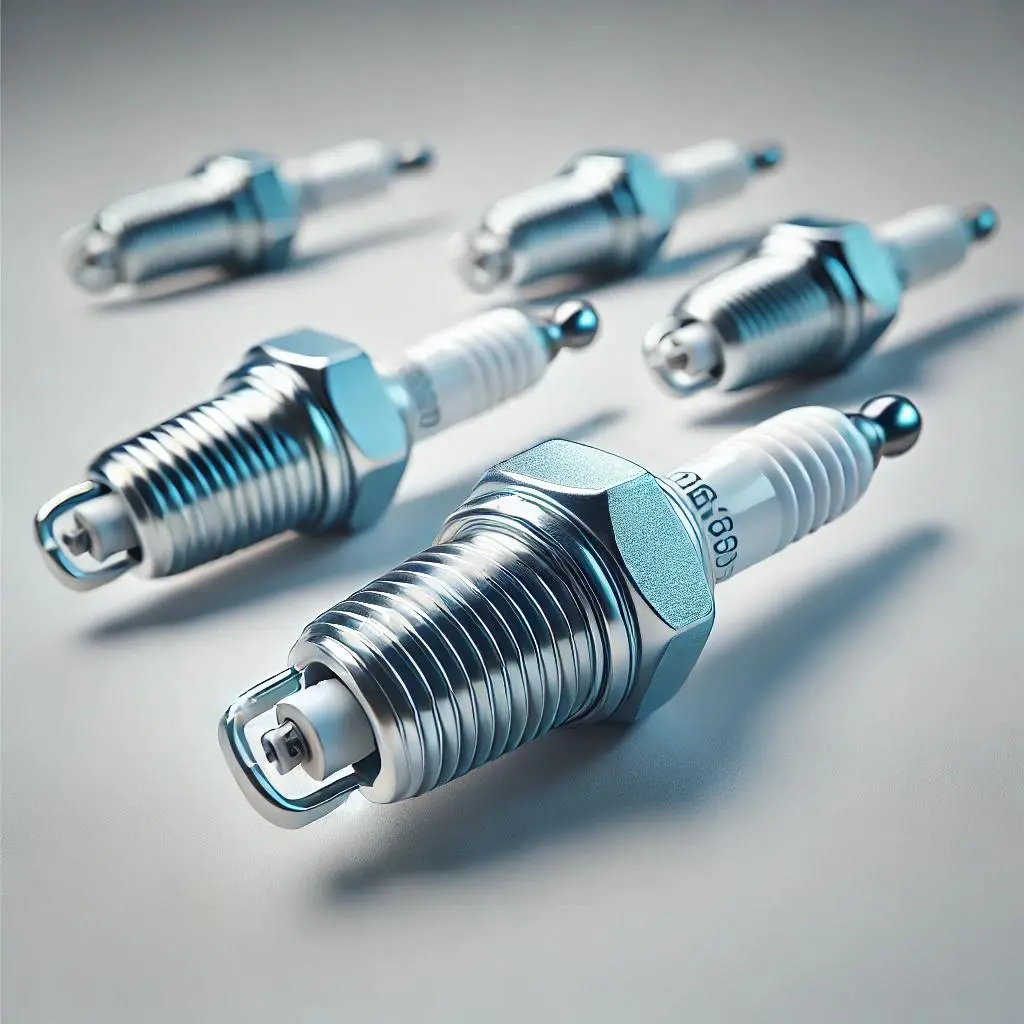
If you’ve ever looked under the hood of a car, you’ve probably heard about spark plugs. They’re small but very important parts that help gasoline engines run.
But what about diesel engines? Do they have spark plugs too? The answer might surprise you.
In this article, we’ll explain why diesel engines don’t use spark plugs, what they use instead, and how the whole system works.
Whether you’re curious about cars or just want to understand how your diesel truck or generator works, this guide is for you.
What Are Spark Plugs, and What Do They Do?
Before we talk about diesel engines, let’s first understand spark plugs and how they work in regular gasoline engines.
A spark plug is a small device that sits at the top of each cylinder in a gasoline engine. When the engine is running, the spark plug creates a tiny electrical spark. This spark lights the air and fuel mixture inside the cylinder. The result is a small explosion that pushes the piston down, making the engine turn and your car move.
Each cylinder has its own spark plug. If just one spark plug fails, it can cause the engine to run rough, lose power, or stop working altogether.
Spark plugs are important for gasoline engines, but diesel engines don’t work the same way.
Do Diesel Engines Have Spark Plugs?
The short answer is no—diesel engines do not have spark plugs.
That might seem strange at first. After all, don’t all engines need a spark to start? Not exactly. Diesel engines use a different method to ignite fuel. Instead of using spark plugs, they rely on compression ignition. This means the air gets squeezed so tightly that it becomes hot enough to light the fuel without needing a spark.
So, while gasoline engines need spark plugs, diesel engines do not. They are built to work in a completely different way.
How Diesel Engines Ignite Fuel Without Spark Plugs
Now that we know diesel engines don’t use spark plugs, how do they make the engine run?
Here’s a step-by-step breakdown of what happens inside a diesel engine:
- Air Intake: The engine pulls air into each cylinder.
- Compression: This air is then compressed by the piston. In a diesel engine, the air is compressed much more tightly than in a gasoline engine.
- Heat from Compression: The high compression makes the air extremely hot—so hot that it can cause fuel to burn on its own.
- Fuel Injection: Once the air is hot enough, the engine injects diesel fuel directly into the cylinder.
- Spontaneous Combustion: The fuel instantly catches fire when it meets the hot air. This explosion pushes the piston down and powers the engine.
This process is known as compression ignition—because the heat from compressing the air causes the ignition, not a spark.
What Do Diesels Use Instead of Spark Plugs?
Even though diesel engines don’t use spark plugs, they sometimes need help getting started, especially in cold weather. That’s where glow plugs come in.
A glow plug is a heating device used in each cylinder of a diesel engine. It warms up the air inside the cylinder to help the engine start smoothly.
When it’s cold outside, the air inside the engine isn’t hot enough to ignite the fuel on its own. The glow plug solves this by heating up very fast—kind of like the coil in a toaster.
Once the engine starts and warms up, the glow plugs are no longer needed. The engine can run just fine using compression alone.
So to recap:
- Gasoline engines = Spark plugs for ignition.
- Diesel engines = Compression ignition with glow plugs for cold starts.
Why Don’t Diesels Use Spark Plugs?
The main reason diesel engines don’t use spark plugs comes down to how the fuel burns.
- Gasoline is a lighter fuel. It needs a spark to ignite because the compression alone isn’t enough.
- Diesel is thicker and ignites easily under high pressure and heat. It doesn’t need a spark at all.
Because diesel engines compress the air so much more, they get hot enough to ignite the fuel automatically. This makes spark plugs unnecessary and even useless in diesel engines.
Also, diesel engines are designed with strong parts to handle all that pressure. Adding spark plugs would just make the system more complex without adding any benefit.
Fun Fact: Diesel Compression Is Much Stronger
Let’s talk numbers for a second. Gasoline engines typically compress the air and fuel mixture at a 10:1 ratio. That means the air and fuel are squeezed to one-tenth of their original size.
Diesel engines are different. They compress only air, but at a much higher ratio—often 15:1 to 25:1 or more. This high pressure raises the temperature of the air so much that when diesel fuel is injected, it explodes on contact.
That’s the magic of compression ignition. It’s powerful, efficient, and doesn’t need any sparks.
What Happens If You Put Spark Plugs in a Diesel?
Let’s say someone tried to install spark plugs in a diesel engine. What would happen?
The answer is: nothing good.
Diesel engines aren’t wired or programmed to use spark plugs. They don’t have ignition coils, spark timing, or any of the electrical systems that gasoline engines do. Even if you somehow managed to install spark plugs, they wouldn’t work—because there’s nothing there to trigger the spark or use it properly.
At best, it would be a waste of time. At worst, it could cause damage to the engine by messing with the compression cycle or the fuel system.
Are There Any Exceptions?
There are very few exceptions. In some older or experimental engines, engineers have tried mixing gasoline and diesel systems, but those are not common.
In today’s world, diesel engines in cars, trucks, buses, tractors, and machines never use spark plugs. They always rely on compression ignition and sometimes glow plugs to help with starting.
Why This Matters for You
Knowing how diesel engines work can help you take better care of your vehicle or equipment. Here’s why this information is useful:
- You won’t waste money buying spark plugs for a diesel engine.
- You can troubleshoot problems better (for example, hard starts in cold weather may point to bad glow plugs).
- You’ll understand how powerful and efficient your diesel engine really is.
Plus, it’s just cool to know what’s going on under the hood!
Final Thoughts
To sum it up, diesel engines are a different kind of machine. They don’t use spark plugs like gasoline engines do. Instead, they use heat and pressure to ignite fuel—a process called compression ignition.
If you’re driving a diesel vehicle or working with diesel-powered tools or equipment, now you know why you won’t find any spark plugs there. Instead, you might see glow plugs, which help get things started when it’s cold.
So next time someone asks, “Do diesels have spark plugs?” you can confidently say, “Nope! They light themselves up—with pressure and heat!”
