
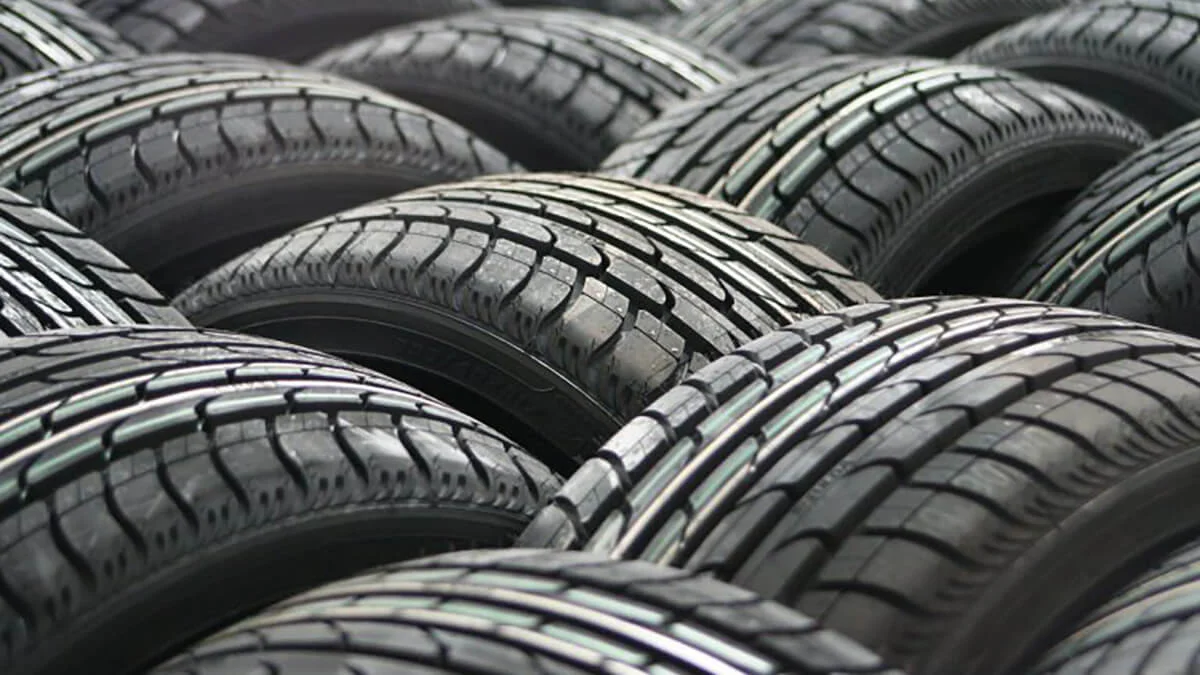
Your car’s tires do more than just roll you from place to place. They affect how your car handles, how safe you are, and even how much money you spend on gas.
One problem that often gets overlooked is over-inflated tires. Many drivers focus on avoiding low tire pressure but forget that having too much air can be just as risky.
In this guide, we’ll dive deep into the causes of over-inflated tires, the warning signs, and the best ways to fix the problem.
What Causes Over Inflated Tires?
Over-inflated tires don’t just happen for no reason. There are several causes you should know about:
1. Manual Overfilling
The simplest cause of over-inflated tires is just putting too much air into them. Sometimes drivers think that pumping the tires up harder will give them better fuel economy, smoother rides, or faster speeds. While there’s a little truth to better gas mileage with slightly higher pressure, too much air leads to dangerous handling and extra tire wear. It’s very easy to misread a gauge or trust an inaccurate air pump, leading to tires that are way too hard.
2. Heat Expansion
Temperature plays a big role in tire pressure. When it’s cold outside, air molecules are close together, and pressure drops. But when the temperature rises—especially during hot summer days—the air expands inside the tire, raising the pressure naturally.
A tire that was filled to the correct pressure in the cool morning could be significantly over-inflated by the time afternoon heat kicks in.
3. Faulty Tire Pressure Sensors (TPMS Issues)
Many modern vehicles have a Tire Pressure Monitoring System (TPMS) that alerts drivers when tire pressure is too low. However, these systems aren’t perfect. If a sensor goes bad or isn’t calibrated correctly, it may not warn you if your tires are too full. You could be driving around with dangerously over-inflated tires without even knowing it.
4. Bad Equipment at Gas Stations
Public air pumps aren’t always reliable. Some pumps can be worn out, miscalibrated, or broken, causing them to pump in more air than the reading shows.
If you’re using an old or faulty pump without a separate tire gauge, you could accidentally over-inflate your tires even if you think you’re doing everything right.
Symptoms of Over Inflated Tires
Spotting an over-inflated tire early can prevent bigger problems later. Here’s how you can tell if your tires are holding too much air:
1. Rough, Bumpy Ride
When your tires are too hard, your car won’t absorb shocks the way it should. Every little bump, pothole, or crack in the road feels a lot worse. Instead of your suspension smoothing out the road, your tires bounce and jolt, making the ride uncomfortable for you and everyone else in the car.
2. Loss of Traction
Tires are designed to spread your car’s weight evenly across the road surface. When they’re over-inflated, only the very center of the tire touches the road. This reduces the grip your car has, making it harder to turn, brake, or drive safely in rainy or snowy weather. In slippery conditions, this can easily lead to losing control.
3. Uneven Tire Wear
Tires are expensive, so you want them to last as long as possible. Over-inflated tires wear out faster, but they don’t wear out evenly. The middle of the tire wears down much faster than the edges, which can cause vibrations and poor handling over time. Uneven tire wear also means you’ll have to replace your tires much sooner than expected.
4. Higher Risk of Blowouts
Tires are tough, but they aren’t invincible. When you over-inflate them, the rubber stretches tighter and becomes thinner. This makes the tires much more vulnerable to sharp objects, potholes, and even curbs. A simple bump could cause a sudden blowout, which is not only scary but also dangerous, especially at highway speeds.
5. Longer Braking Distances
Stopping your car safely relies on how well your tires grip the road. With over-inflated tires, there’s less contact area, which means you may need more distance to stop.
In an emergency, those extra few feet could mean the difference between stopping safely and getting into an accident.
How to Fix Over Inflated Tires
If you suspect your tires are over-inflated, don’t panic. Fixing the problem is easier than you might think:
1. Check Your Tire Pressure
Start by getting a good-quality tire pressure gauge. They’re inexpensive and available at most auto parts stores. Always check your tire pressure when your tires are cold—preferably before you drive in the morning. Air expands with heat, so checking after you’ve driven could give you a false reading.
2. Find the Right Pressure for Your Car
Your car has a recommended tire pressure, usually measured in PSI (pounds per square inch). You’ll often find this number on a sticker inside the driver’s door or in your car’s manual. Stick to this number—not the maximum pressure listed on the tire itself. The number on the tire is the highest it can handle, not what’s best for your car.
3. Release Excess Air
If your tires have too much air, slowly let some out. Press the tip of your pressure gauge or a small tool onto the valve stem until you hear air hissing out. Check the pressure after a few seconds and adjust until you hit the recommended PSI.
4. Recheck After Driving
After adjusting the pressure, drive your car for a few minutes and recheck the tires. Sometimes, air can shift or settle after driving, giving you a more accurate reading.
5. Repair or Replace Bad Sensors
If your car’s TPMS isn’t giving you correct readings, have it checked by a mechanic. Replacing or repairing faulty sensors can save you a lot of trouble and ensure you’re alerted when something is wrong with your tires.
Tips to Maintain Correct Tire Pressure
Keeping your tires at the correct pressure doesn’t have to be hard. Here are some simple tips to stay on top of it:
1. Check Monthly
Make it a habit to check your tire pressure once a month. It only takes a few minutes but can prevent costly tire damage.
2. Check Before Long Trips
If you’re planning a road trip, always check your tires first. Heavy loads and long drives can put extra stress on tires, making the right pressure even more important.
3. Be Weather Smart
Understand that tire pressure changes with the seasons. Check your tires more often during extreme weather changes to stay safe.
4. Use Reliable Air Pumps
Whenever possible, use a personal, reliable air pump or visit a professional shop. Don’t fully trust the old machines at gas stations without checking your pressure separately.
5. Don’t Ignore the Warning Signs
If your car feels different—bouncier, rougher, harder to handle—check your tires. Even without a warning light, your car often tells you when something isn’t right.
Final Thoughts
Over-inflated tires might seem like a small issue, but they can lead to bigger problems if not addressed.
From rough rides to serious blowouts, the risks aren’t worth ignoring. By learning the causes, spotting the signs early, and knowing exactly how to fix the problem, you can keep your car running smoothly and safely.
A few minutes of tire care each month can save you hundreds of dollars—and might even save your life.
