
Your car might look great on the outside, but what’s going on underneath really matters.
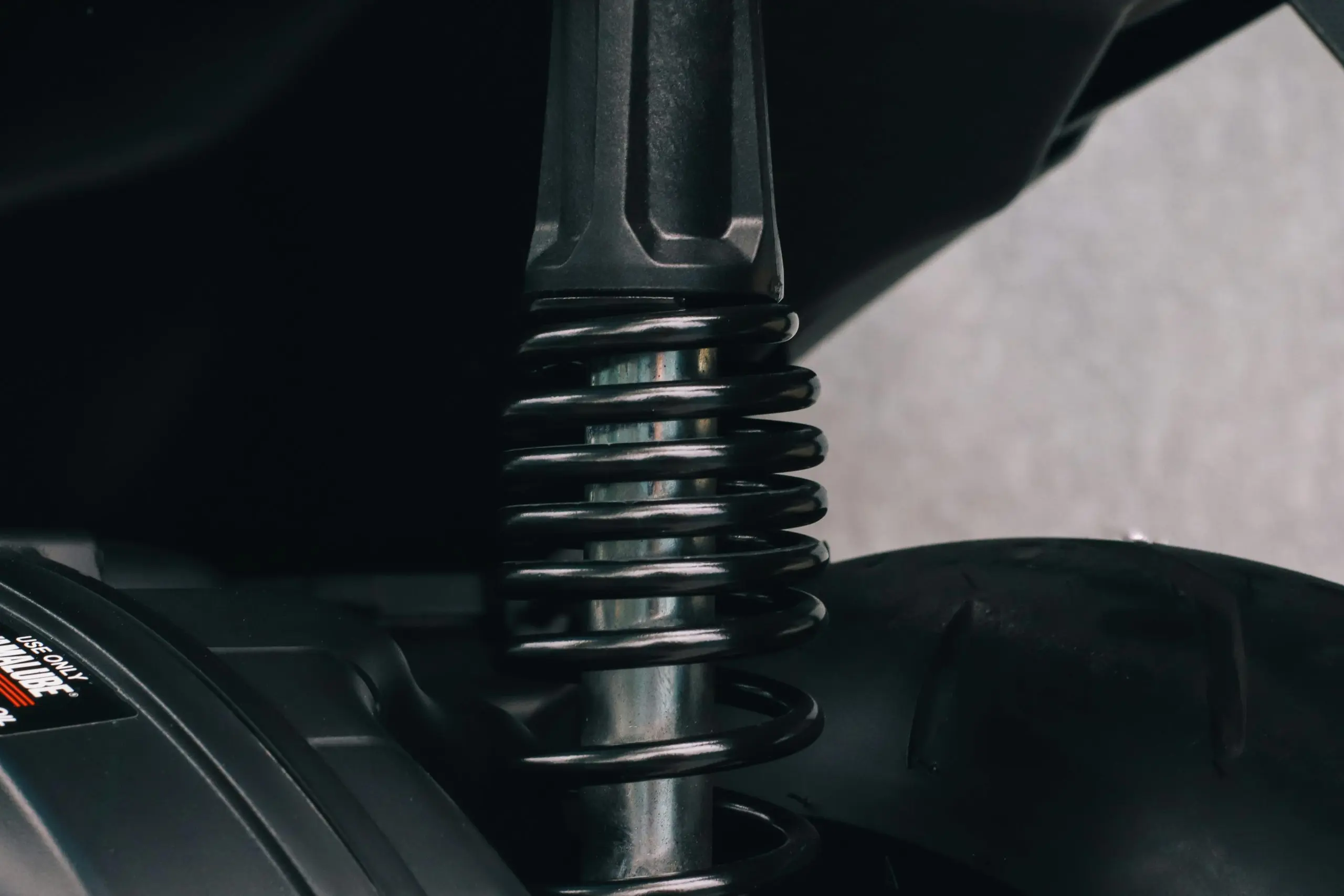
One of the most overlooked parts of a vehicle is the shocks—or shock absorbers. These small components are key to keeping your ride smooth, safe, and in control.
But like anything else in your car, shocks wear out over time. The trick is catching the warning signs early—before things get worse.
This guide will help you understand what your car is trying to tell you when the shocks start going bad.
What Are Shocks and Why Are They Important?
Shocks are part of your car’s suspension system. Their main job is to absorb the bumps and dips you drive over, so you don’t feel every crack in the road. More importantly, they help keep your tires firmly on the ground. This means better control, safer braking, and a much smoother ride.
Without working shocks, your car can become unstable, harder to handle, and unsafe to drive.
1. Bumpy or Rough Ride
One of the first and most obvious signs of bad shocks is a rough or bouncy ride.
When you hit a bump, does your car keep bouncing for a while afterward? Does it feel like you’re swaying back and forth when you turn corners or go over dips? If so, your shocks might not be absorbing the road’s impact like they should.
You may also feel every small crack or pothole more than usual. Instead of a smooth ride, it feels like you’re bouncing around. This is your car’s way of saying, “Help! My shocks aren’t working right.”
A smooth ride should feel stable and firm—not like a boat rocking on water.
2. Longer Stopping Distance
Good shocks help your car stop quickly and safely. They do this by keeping your tires pressed firmly against the road during braking. But when shocks are worn out, your tires lose that solid grip.
As a result, you’ll need more time and space to stop your car. This might not seem like a big deal—until you’re trying to stop quickly in traffic or in an emergency.
If you’ve noticed that your car takes longer to stop than it used to, or if your brakes feel a bit “off,” your shocks could be to blame. This is a serious safety issue and should be checked as soon as possible.
3. Uneven Tire Wear
Bad shocks don’t just make your ride uncomfortable—they can cost you money too. How? By wearing out your tires faster.
When shocks aren’t working properly, your tires can bounce off the road surface. This bouncing causes parts of your tire to wear down quicker than others. You might notice bald spots or uneven tread patterns on the tire’s surface.
Look out for:
- Wavy or cupped patterns
- One side of the tire wearing faster
- Strange “feathering” across the tread
This kind of tire wear doesn’t just shorten your tire life—it also makes driving more dangerous by reducing grip, especially in rain or snow.
4. Leaking Fluid Near the Wheel
Shocks are filled with oil or hydraulic fluid. This fluid helps them control how much your car bounces and sways. If that fluid starts to leak out, the shocks can’t do their job anymore.
Take a look at the ground under your car or at the area near your wheels. If you see dark, greasy spots—especially right on the shocks themselves—it might be leaking shock fluid.
Even small leaks are a warning sign. Once that fluid runs low or runs out, your shocks lose most of their function. That’s when bouncing, swaying, and long stopping distances get much worse.
5. Nose Diving and Rear Squatting
Here’s another clear warning sign: when you hit the brakes and the front of your car dips down sharply, you’re seeing what’s called “nose diving.”
Or maybe when you step on the gas, the back of your car sinks or squats. That’s a sign the rear shocks are struggling.
Shocks are supposed to keep your car level—even when you brake or accelerate quickly. If they can’t do that anymore, it’s time to replace them.
This isn’t just about comfort—nose diving makes it harder to stop quickly. That could lead to accidents if you can’t react in time.
6. Swaying or Body Roll When Turning
Your shocks are also in charge of helping your car stay level and stable when you take a turn. If your car leans to one side or feels like it’s swaying like a boat, this could mean your shocks are worn out.
This problem, known as “body roll,” usually shows up when you go around corners or curves, especially at higher speeds. Your car might feel unstable or wobbly—even scary.
Strong shocks should keep your car flat and controlled. When they’re worn, your vehicle feels loose, unbalanced, and unsafe in turns.
7. The Bounce Test
Here’s an easy way to check your shocks at home:
- Walk to the front or back of your parked car.
- Push down hard on the hood or trunk and then let go.
- Watch how many times the car bounces.
If it bounces more than two or three times, the shocks are probably worn out. A healthy shock will allow one bounce and then return to normal.
This is a simple test anyone can do—no tools required.
Why It’s a Bad Idea to Ignore These Symptoms
You might think, “It’s just a little bounce. No big deal.” But ignoring bad shocks can lead to bigger problems fast.
Here’s what could happen:
- Your car becomes harder to control in bad weather.
- Your tires wear out faster, costing you more money.
- Your brakes won’t work as well, increasing the risk of accidents.
- Your fuel economy may drop due to uneven handling.
The longer you wait, the worse it gets—and the more expensive it becomes to fix.
When Should You Replace Your Shocks?
Most shocks last between 50,000 and 100,000 miles, depending on how and where you drive. If you travel over rough roads, haul heavy loads, or drive aggressively, they’ll wear out faster.
If you notice any of the symptoms listed above—or if your mechanic points out problems—don’t wait. Get them checked and replaced if needed.
Always replace shocks in pairs—either both front or both rear—so your car stays balanced.
Final Thoughts
Catching bad shocks early is one of the smartest things you can do for your vehicle. It keeps your ride safe, your tires healthy, and your handling smooth.
Use this checklist to stay ahead:
- Is your ride bouncier than usual?
- Does the front dip when you brake?
- Are your tires wearing unevenly?
- Do you see any fluid leaks near the shocks?
- Does your car sway on turns?
- Did it fail the bounce test?
If you checked yes to any of these, don’t wait—get your shocks inspected today.
Keep your car running smoothly, your tires gripping tight, and your driving safe. Your shocks may be small, but they make a big difference.
