
Taking care of your car can sometimes feel overwhelming, especially if you’re not a car expert. But here’s one important thing every driver should know: your car’s transmission needs attention too.
If you’ve ever wondered about a transmission flush—what it is, why it’s important, and how long it takes—this guide is for you.
Let’s walk through everything step-by-step so you’ll feel confident the next time you visit the auto shop.
What Is a Transmission Flush?
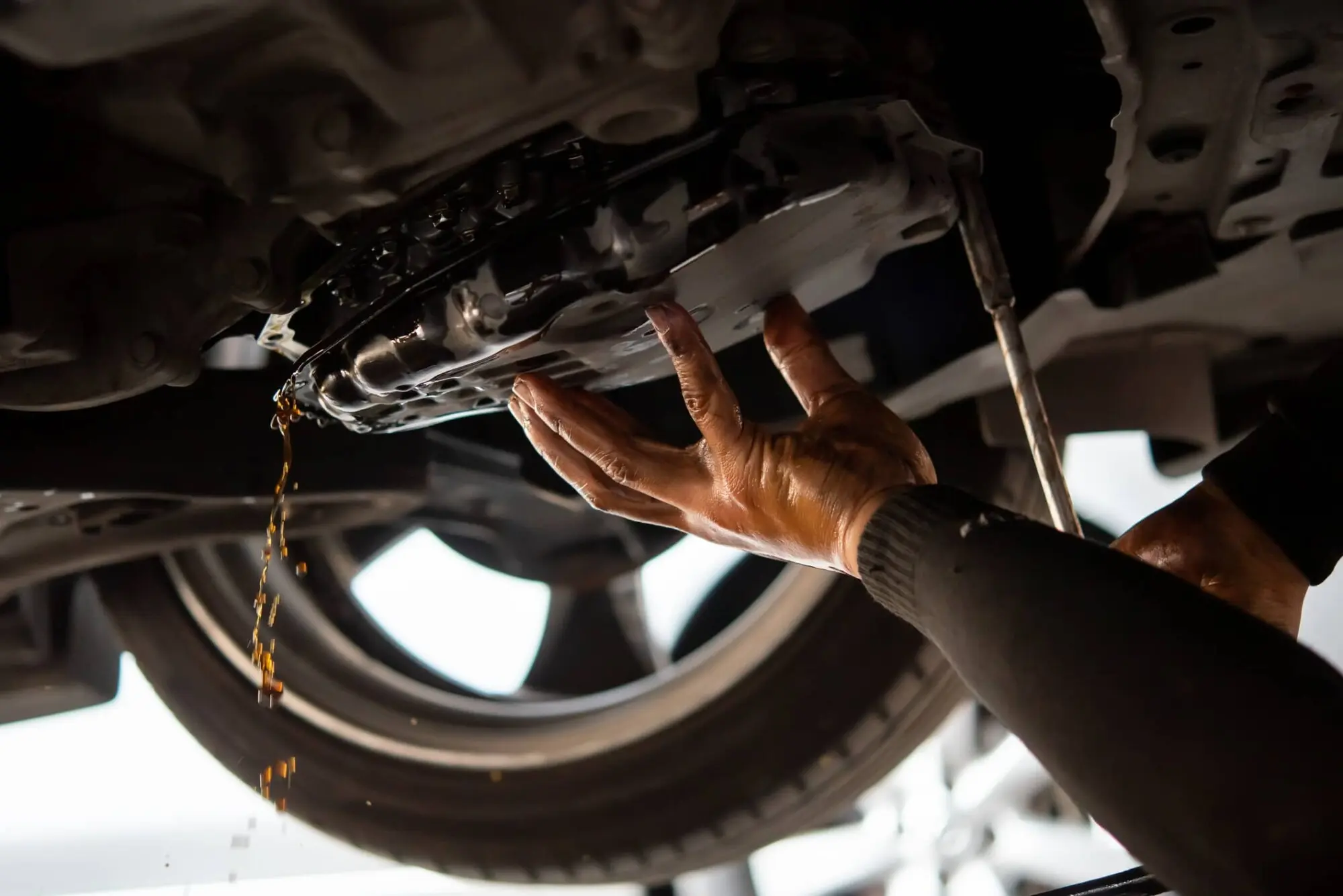
A transmission flush is a service that removes all the old, dirty transmission fluid from your vehicle and replaces it with fresh, clean fluid.
Transmission fluid does a big job. It:
- Lubricates moving parts
- Keeps the transmission cool
- Helps the gears shift smoothly
Over time, this fluid gets dirty. It collects small particles like metal shavings, dirt, and sludge. If it stays dirty, your transmission can become damaged.
A flush gets rid of that dirty fluid and replaces it with new fluid. It’s different from a simple drain and fill, which only replaces part of the fluid. A flush cleans the system out completely.
This helps prevent problems, keeps your car running better, and saves you money in the long run.
Why a Transmission Flush Is Important
A transmission flush may not sound exciting, but it’s one of the smartest things you can do for your car. Here’s why it matters:
1. Smoother Gear Shifting
Clean fluid helps your transmission switch gears easily. If your fluid is dirty, your car might shift hard, jerk, or take longer to change gears. That’s not just annoying—it could also mean your transmission is struggling.
2. Longer Life for Your Transmission
Think of clean transmission fluid like healthy blood in the body. If it’s clean and flowing well, everything works right. Dirty fluid causes wear and tear. A flush gives your transmission a fresh start and helps it last longer.
3. Avoiding Costly Repairs
A transmission flush usually costs between $100 and $300. That’s way cheaper than a transmission replacement, which can cost $2,000 to $5,000 or more. Regular flushing can help you avoid those big bills.
4. Better Fuel Economy
When your transmission works efficiently, your engine doesn’t have to work as hard. This helps improve your car’s gas mileage.
So yes, it’s worth it.
How Long Does a Transmission Flush Take?
Now let’s talk time. A transmission flush usually takes 1 to 2 hours. But it depends on several things:
1. The Make and Model of Your Car
Some cars are easy to work on. Their transmissions are simple and easy to reach. In those cases, a flush can take as little as one hour.
Other vehicles—like trucks, SUVs, or high-end European cars—may be more complex. The transmission might be harder to get to, or it might need more fluid. In those cases, a flush could take closer to two hours or more.
Your mechanic will let you know if your vehicle needs extra time.
2. The Type of Flush Being Performed
There are two ways to do a transmission flush:
Manual (Gravity) Flush
- The mechanic drains the fluid using gravity, then refills it.
- This method takes longer and may not remove all the old fluid.
- Time: Around 2 hours
Machine (Power) Flush
- A special machine pushes new fluid in while removing the old fluid.
- It’s faster, cleaner, and more effective.
- Time: Around 1 hour
Most modern shops use the machine method. It gets better results and saves time.
3. Condition of the Transmission Fluid
If your fluid is really dirty or burnt, the mechanic may need extra steps:
- They might use a cleaning solution to break up sludge.
- They may do multiple flushes to make sure everything’s clean.
- They’ll check for signs of damage, like metal shavings.
These extra steps can add time but are worth it if they help avoid bigger problems.
4. Shop Schedule and Equipment
Even if the flush itself only takes an hour, you might have to wait if the shop is busy.
Some shops take walk-ins, while others require appointments. If you want to save time, call ahead. Ask when’s the best time to come in or book a time slot.
Also, shops with modern tools and trained staff will usually get the job done faster.
What Happens During a Transmission Flush?
Here’s what the process usually looks like:
- Inspection – The mechanic checks the current transmission fluid. If it’s dark or smells burnt, that’s a sign it needs to be changed.
- Setup – They connect a flush machine or get ready for a manual drain.
- Old Fluid Removal – The machine or gravity method removes all the dirty fluid from the transmission.
- System Cleaner (Optional) – Some shops use a cleaner to loosen sludge and grime inside the system.
- New Fluid Added – Clean fluid is pumped in until the system is fully flushed and topped off.
- Test and Inspection – The car may be test-driven or run in place to check how it shifts. The fluid level is also double-checked.
It’s a detailed process, but it’s done with care to protect one of the most expensive parts of your vehicle.
Can You Wait While It’s Done?
Yes! Since the service only takes 1 to 2 hours, you can usually wait at the shop.
Most shops have waiting rooms with:
- Free coffee or water
- TV or reading material
- Free Wi-Fi
But if the shop is really busy, they might ask you to leave the car and come back later. Some even offer a shuttle service or loaner car.
Signs You Might Need a Transmission Flush
Not sure if it’s time for a flush? Look for these warning signs:
- 🔧 Rough or delayed shifting
- 🔥 Burning smell
- 🚨 Warning light on the dashboard
- 🛞 Grinding, humming, or buzzing sounds
- 🛢️ Fluid is dark, thick, or smells burnt
You can also check your owner’s manual to see how often your manufacturer recommends a transmission flush. Usually, it’s every 30,000 to 60,000 miles, but it depends on the car.
How Much Does a Transmission Flush Cost?
A transmission flush usually costs:
- $100 to $300 for most cars
- More for large or luxury vehicles that require special fluid or tools
Yes, it’s more than an oil change. But it’s still way cheaper than replacing your transmission.
Final Thoughts
So, how long does a transmission flush take? Most of the time, just 1 to 2 hours. But don’t just focus on time—think about the value it brings:
- Smoother driving
- Fewer costly repairs
- Longer life for your car
- Better fuel mileage
It’s a small amount of time for something that can save you a lot of money and stress in the future.
